Dog Training Near Me: A Complete Guide to Positive Reinforcement
The Ultimate Resource for Comprehending Canine Training Methods and Ideal Practices
Recognizing canine training methods and ideal techniques is crucial for any kind of canine proprietor. Various strategies exist, each with special advantages and obstacles. Positive reinforcement has become a popular approach, yet lots of mistaken beliefs linger. Exploring these approaches can brighten efficient approaches and disclose the nuances of canine actions. As the trip unravels, one might find indispensable sources that enhance both training and the bond with their pet. What understandings wait for those ready to discover even more?
Comprehending the Fundamentals of Canine Training
Reliable pet training depends upon a strong understanding of its basic principles. At its core, canine training includes instructing a pooch to react to commands and act appropriately in numerous circumstances. This procedure requires consistency, patience, and positive support, which encourages desired habits while dissuading undesirable ones.
Recognizing canine habits is essential, as it aids instructors recognize how pet dogs find out and interact. Elements such as socializing, setting, and individual character play considerable roles fit a pet dog's reaction to training. Additionally, developing a bond based upon trust and respect improves the training experience for both the canine and the trainer.
Clear communication is important, as canines respond best to easy commands and cues. By laying a strong foundation rooted in these basic principles, fitness instructors can properly direct their canines towards ending up being mannerly companions. This understanding establishes the stage for exploring more customized training techniques in succeeding discussions.
Popular Dog Training Approaches Discussed
In the domain of dog training, different approaches have obtained popularity among trainers and family pet proprietors. Favorable support techniques concentrate on gratifying wanted behaviors, while remote control training offers a certain method to note those habits effectively. Recognizing these approaches can enhance the training experience for both pets and their handlers.
Favorable Support Strategies
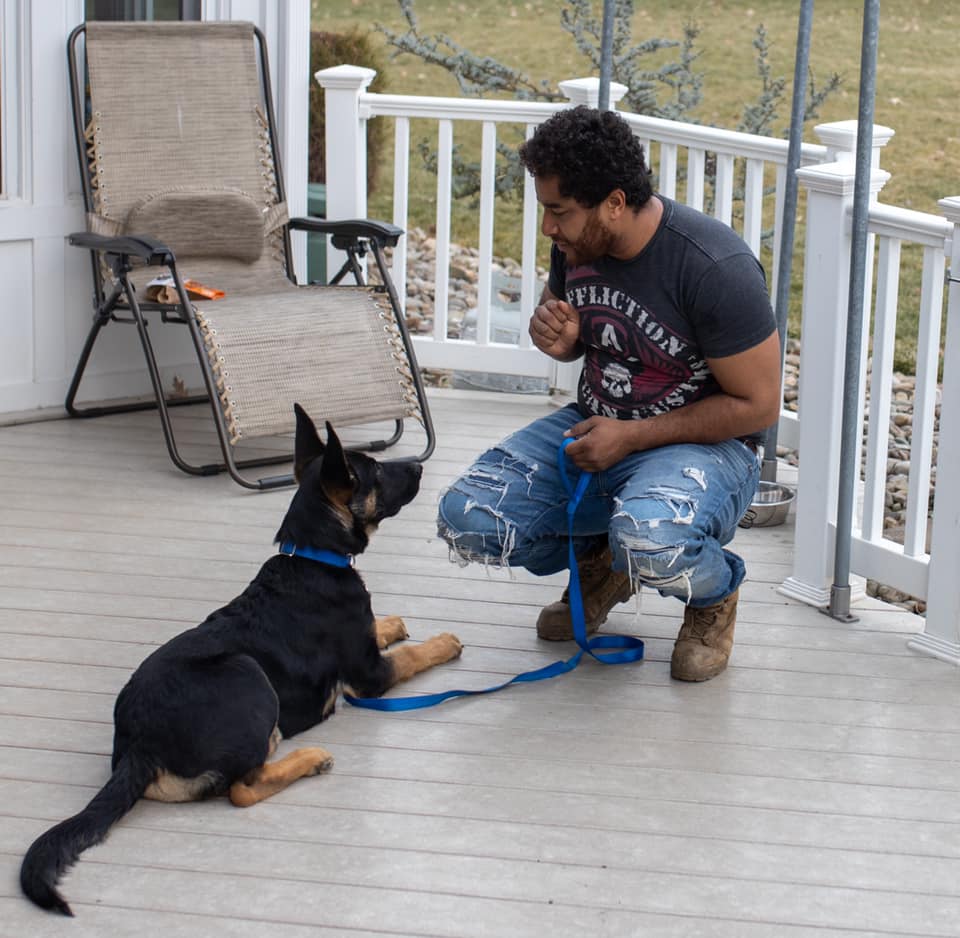
Positive reinforcement strategies have actually become a cornerstone of contemporary canine training, highlighting the relevance of rewarding preferable habits to encourage their repetition. This method concentrates on providing favorable stimulations, such as treats, praise, or play, quickly after the canine executes the wanted activity. The underlying principle is that dogs are most likely to duplicate behaviors that result in positive end results. Fitness instructors typically utilize this technique to educate commands, customize habits, and develop depend on in between the pet dog and trainer. Uniformity is key; rewards need to be particular and timely to enhance the association between the incentive and the habits. In general, positive support promotes a enjoyable and healthy learning setting for both canines and their proprietors, fostering a strong bond.
Remote Control Training Fundamentals
Many canine instructors integrate clicker training as a prominent approach to improve communication with their family pets. This strategy uses a small gadget that releases a distinctive clicking sound to mark preferred behaviors immediately. The click acts as a signal to the dog that they have actually done the appropriate action, adhered to by a benefit, normally a reward. Unlike various other training methods, clicker training highlights timing and uniformity, which helps pets recognize what is anticipated of them. Fitness instructors usually start with standard commands, gradually advancing to more complex tasks. This method fosters a favorable discovering atmosphere, enhancing the bond in between pet dog and proprietor. As a result, clicker training is identified for its efficiency and adaptability throughout different pet dog types and training situations.
Positive Reinforcement: The Most Efficient Strategy
Favorable reinforcement sticks out as one of one of the most effective canine training strategies because of its numerous advantages for both trainers and canines. By satisfying preferred habits, owners can cultivate a favorable learning setting that encourages their pets to duplicate those actions. Usual methods, such as treats, appreciation, and play, play an essential function in properly executing this method.
Benefits of Positive Support
While various training methods exist, positive support has actually become among the most efficient strategies for forming preferred actions in canines. This approach encourages family pets to duplicate favorable activities by compensating them with treats, praise, or playtime. One substantial advantage is the establishment of a strong bond in between the fitness instructor and the pet dog, fostering count on and cooperation. On top of that, positive reinforcement reduces fear and anxiousness, promoting a much more pleasurable discovering environment. It improves the dog's overall wellness, as they learn in a hassle-free atmosphere. Canines trained through favorable support often tend to display better retention of discovered habits, leading to lasting obedience and enhanced socializing. Eventually, this approach sustains an unified partnership in between canines and their owners.
Common Strategies Explained
Discovering different training techniques exposes that favorable support Recommended Site stands apart as the most effective technique for pet dog training. This technique concentrates on satisfying desired habits, making it easier for dogs to associate actions with favorable outcomes. Rewards, appreciation, and playtime work as incentives, encouraging pet dogs to repeat etiquette. Unlike punishing methods, favorable reinforcement promotes a relying on partnership between pet and proprietor, lowering concern and anxiousness. Furthermore, this method has been revealed to boost a pet dog's enthusiasm for discovering. Typical practices include clicker training, where a distinct sound notes the wanted actions, and making use of high-value incentives for difficult tasks. On the whole, favorable reinforcement not just advertises efficient training yet also nurtures a well-adjusted and pleased canine friend.
Usual Myths Concerning Canine Training Unmasked
Several dog proprietors drop target to typical misconceptions regarding training, commonly resulting in complication and irritation. One widespread misconception is that a pet dog's behavior is only determined by type, recommending that particular breeds are inherently hard to educate. Actually, specific individuality and training techniques play a more substantial function. Another misunderstanding is that penalty is necessary for reliable training. Positive support has confirmed to be more reliable in promoting desired behaviors. Additionally, some believe that older canines can not find out new tricks, but dogs of any age can adjust and find out with the appropriate strategy. The idea that training need to be very easy and quick frequently leads to impractical expectations. Successful training calls for click resources perseverance, uniformity, and time. By disproving these myths, canine proprietors can embrace a lot more reliable training strategies, causing much healthier connections with their family pets and boosted actions overall.
Tips for Successful Dog Training Sessions
Successful pet dog training sessions are improved a structure of clear communication and positive reinforcement, making sure that both the fitness instructor and the pet understand the assumptions. To make best use of effectiveness, trainers should maintain a calm and patient temperament, as dogs typically mirror human emotions. Consistency is important; signs and commands ought to be applied uniformly to avoid confusion.
Short, focused training sessions, typically lasting 5 to 15 minutes, can boost retention and engagement. Incorporating a selection of exercises maintains the sessions boosting and stops monotony. Utilizing high-value treats or toys can motivate the dog and enhance preferred behaviors.
Timing is necessary; benefits ought to be given instantly after the wanted habits to establish a clear link. Finishing each session on a favorable note, with praise or play, fosters a feeling of success and excitement for future training. These strategies jointly add to enjoyable and effective training experiences.
Developing a Stronger Bond With Your Dog With Training
A solid bond between a dog and its proprietor can significantly boost the training experience. This connection fosters count on, making the pet much more receptive to discovering. Engaging in constant training sessions enables owners to interact effectively with their pet dogs, reinforcing favorable habits while constructing mutual regard.
Favorable support techniques, such as deals with and appreciation, strengthen this bond, motivating dogs to connect training with enjoyable experiences. Furthermore, including play into training can make discovering enjoyable, boosting the emotional link.
Understanding a canine's body movement is additionally necessary; it provides insights into the pet dog's convenience and willingness to engage. When proprietors react suitably to their dog's signals, they cultivate a sense of security and understanding.
Eventually, spending time in training not only improves obedience however likewise grows the psychological connections in between dogs and their owners, leading to an unified and meeting collaboration.
Resources for Proceeded Learning and Support
To boost their dog training trip, proprietors can access a range of sources that supply continuous discovering and assistance. Dog Training Near Me. On-line systems such as courses, webinars, and forums permit pet dog proprietors to attach with seasoned instructors and fellow pet dog lovers. Sites like the Association of Professional Dog Trainers (APDT) offer beneficial posts and suggestions on varied training approaches
Publications authored by trusted trainers function as superb overviews for comprehending various techniques and ideologies. Regional recreation center and pet stores typically host training classes, supplying hands-on experience and socialization opportunities for both pets and their proprietors. Furthermore, social networks groups can supply real-time recommendations and encouragement, producing a supportive network.
Podcasts concentrated on pet training subjects can likewise be a hassle-free means for owners to take in new info while on the go. With each other, these sources promote continual knowing, ensuring that pet owners remain equipped to nurture their canine companions successfully.
Regularly Asked Concerns
Exactly how Long Does It Take to Train a Canine Efficiently?
The time called for to train a canine effectively differs especially, depending upon elements such as navigate to this site the dog's age, type, character, and the uniformity of the training techniques used. Usually, it can take a number of weeks to months.
Can I Train My Canine Myself or Should I Employ a Specialist?
Figuring out whether to educate a pet dog independently or work with an expert depends on the proprietor's experience, the pet dog's personality, and certain training needs. Dog Training Near Me. Both approaches can be reliable, but assistance may improve the process substantially
What Age Is Best for Starting Pet Dog Training?
The very best age for beginning dog training normally drops in between 8 to 16 weeks. At this stage, young puppies are most receptive to learning, making it an excellent time to establish fundamental skills and socialization.
How Do I Deal With Unwanted Behaviors in My Canine?
To remedy unwanted actions in a dog, uniformity is vital. Techniques such as positive support, redirecting interest, and developing clear commands help assist the pet dog toward preferred actions, promoting far better actions with time.
Are There Certain Types That Are Easier to Train?
Particular types, such as Border Collies, Poodles, and Labrador Retrievers, are usually thought about less complicated to train as a result of their knowledge and willingness to please. Specific personality and proprietor consistency also significantly influence training success.
Comprehending pet dog training techniques and ideal techniques is important for any dog owner. Favorable reinforcement stands out as one of the most effective pet training strategies due to its numerous advantages for both trainers and canines. Successful canine training sessions are built on a foundation of clear communication and favorable reinforcement, ensuring that both the dog and the instructor recognize the assumptions. The time called for to educate a pet properly differs significantly, depending on factors such as the dog's age, type, personality, and the uniformity of the training methods used. Determining whether to train a pet individually or employ a professional depends on the proprietor's experience, the pet's character, and particular training needs.